
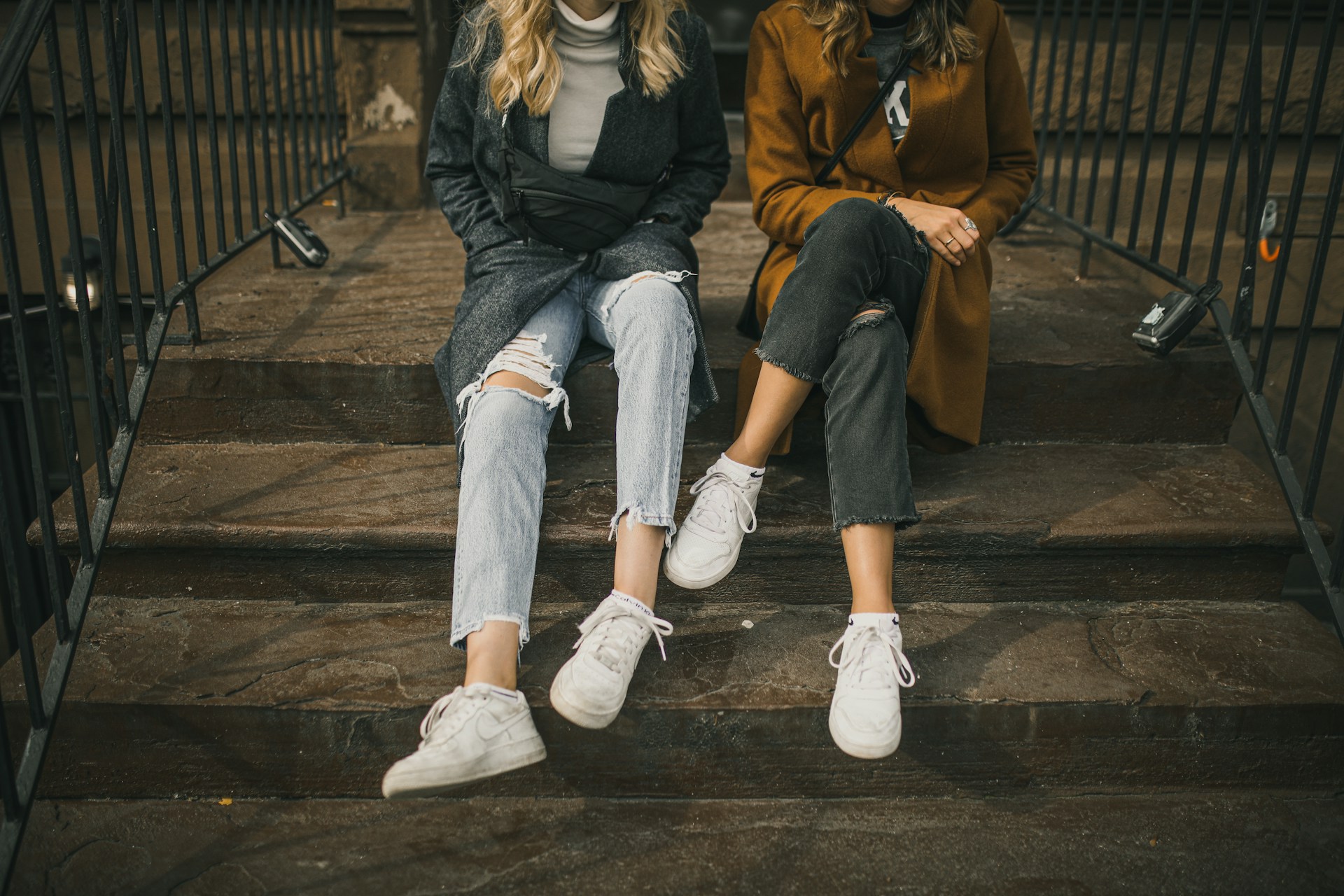
Looking polished doesn’t always depend on how much money you spend, but rather how thoughtfully you put your outfit together. Many people assume that looking stylish requires expensive brands, but small styling errors can make even designer pieces seem poorly put together. Learning what to avoid can instantly upgrade your appearance without draining your wallet. Penniless Parenting’s budget-friendly approach to achieving red carpet looks prove that smart fashion choices matter more than price tags. From fabric choices to fit and accessories, tiny missteps can create a messy, rushed, or low-quality impression. If you want to appear refined, confident, and well-dressed every day, it helps to recognize the habits that quietly drag your outfits down and fix them with simple, practical changes.
Wearing Wrinkled or Poorly Pressed Clothes
One of the fastest ways to make an outfit look cheap is wearing wrinkled clothing. Creases and folds signal carelessness, even if the item itself is high quality. A crisp shirt or a smooth dress instantly looks more expensive than the same piece in a crumpled state. Many people skip ironing or steaming because it feels like extra effort, but this small habit dramatically changes your appearance. Fold lines on trousers, crushed collars, and wrinkled hems distract from the overall look and create a sloppy finish. A quick steam before leaving the house can make budget clothing appear far more refined and intentional.
Choosing Fabrics That Look Thin or Shiny
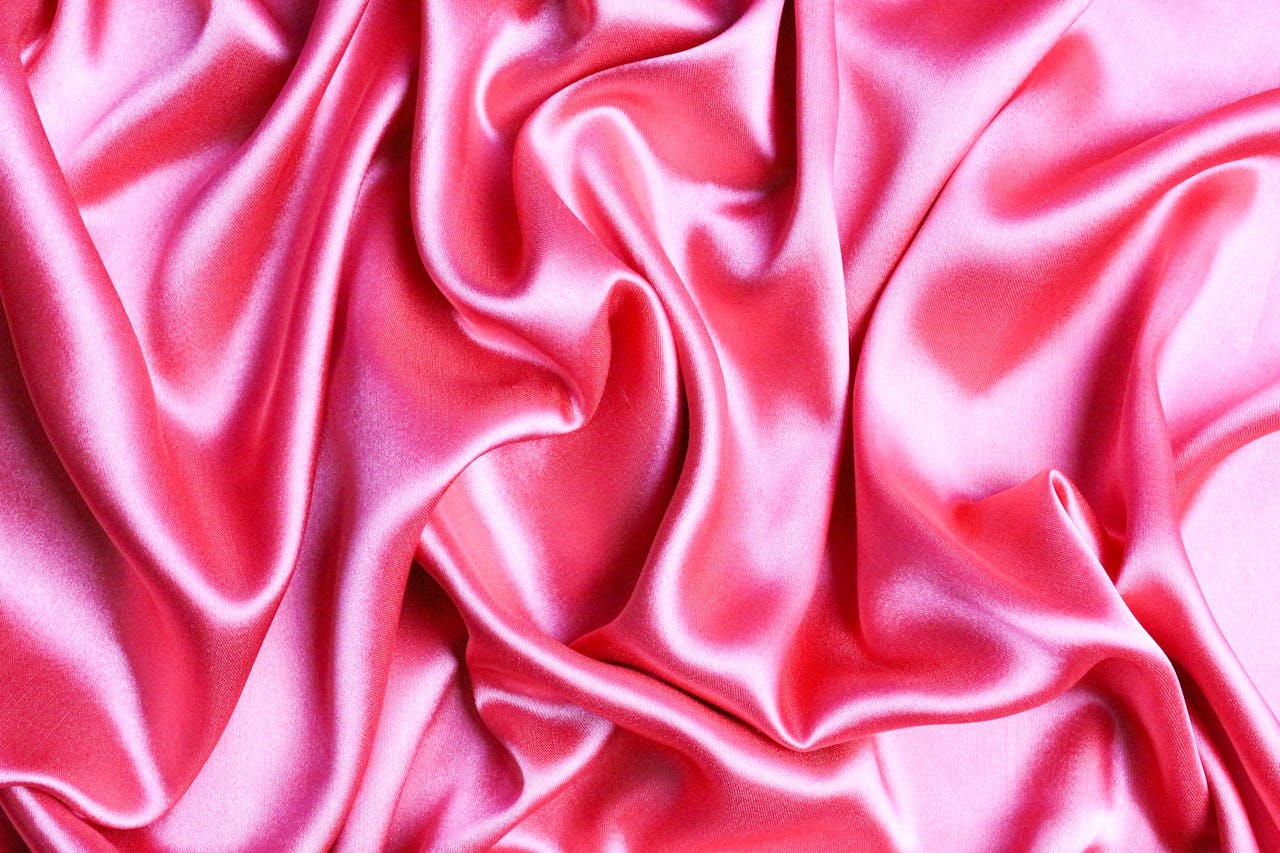 Fabric quality speaks loudly in fashion. Thin, overly shiny, or flimsy materials tend to reflect light in a way that highlights their low price. Satin-like fabrics that look plasticky, overly sheer knits, and rough synthetic blends often cheapen an outfit even if the design is stylish. Thicker cotton, structured polyester blends, linen, and textured weaves typically look richer. The mistake isn’t buying affordable fabric, but choosing materials that cling awkwardly, stretch out of shape quickly, or shine in harsh lighting. Selecting heavier-looking textiles creates a more expensive visual effect without requiring high spending.
Wearing Clothes That Don’t Fit Properly
Poor fit is a silent style killer. Clothes that are too tight, too loose, too long, or too short will make any outfit appear careless and low-grade. Baggy shoulders, pooling trousers, and gaping buttons instantly ruin visual balance. Many people grab items straight off the rack and assume that size alone guarantees a good fit. Simple adjustments like hemming pants or slightly slimming a waistline can completely change how an outfit sits on the body. Proper fit makes even inexpensive clothing look clean, intentional, and fashion-forward in a way that oversized or ill-fitting pieces cannot achieve.
Overdoing Accessories and Logos
Too many accessories can overwhelm an outfit and make it appear cluttered. Large flashy logos, chunky costume jewelry, and excessive layering often push a look from stylish into chaotic. Wearing every trend at once can make an outfit feel forced rather than effortless. Loud branding in particular tends to cheapen the overall appearance, especially when placed on poor-quality materials. A cleaner look with fewer accessories often appears more polished. Neutral colors, smaller jewelry pieces, and minimal branding help outfits feel refined and calm instead of loud and frantic.
Ignoring Shoe and Bag Quality
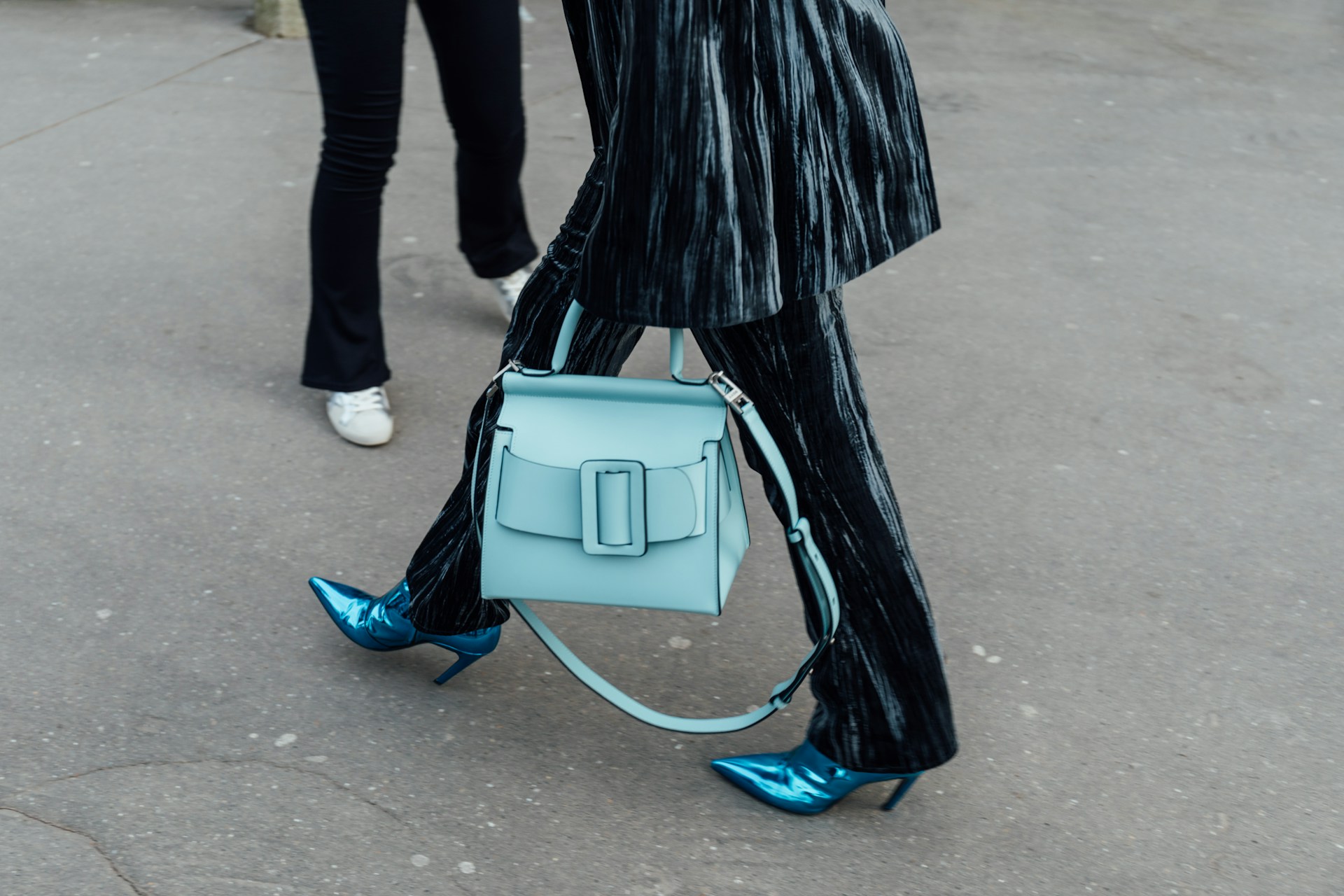
Shoes and bags are often the first things people subconsciously notice. Worn-out heels, scuffed flats, peeling faux leather, and sagging handbags can make even a great outfit look tired and inexpensive. A cracked bag or dirty sneakers pull focus in the wrong direction and lower the overall impression. People sometimes invest heavily in clothing but forget that accessories carry visual weight. Clean shoes and structured bags, even at a low price point, bring balance and a more polished edge to any look. Regular cleaning and simple care can keep these pieces looking fresh for longer.
Fashion doesn’t require a massive budget, but it does benefit from intentional choices and mindful habits. Wrinkles, flimsy fabrics, poor fit, overwhelming accessories, and neglected shoes or bags can quickly make outfits look less refined than intended. By focusing on cleaner lines, better fabric appearance, balanced styling, and well-kept accessories, anyone can improve how their outfits are perceived. Small shifts in daily fashion habits can transform an entire look, creating confidence, polish, and a more put-together style without unnecessary spending.